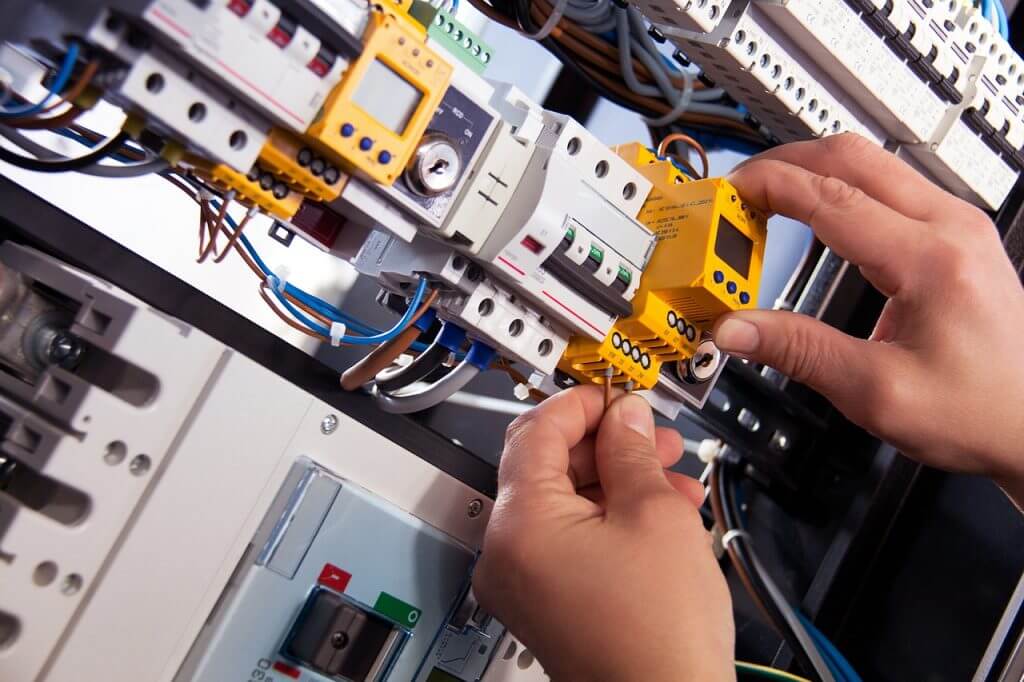
Well, we’re here! From wiring a factory to upgrading to a smart home, our industrial electrician in Brisbane are ready to call out to your business today.
By the way, we offer a full range of electrical services for both residential and commercial. And no job is too big or too small.
Home Efficiency (including energy audits). As well as that, we’re certified Installers for Carbon Track Intelligent Home Energy Managementwww.carbontrack.com.au
Home Automation (that is to say Smart and energy efficient). So get your home working for you, with Google Home and Carbon Trackwww.carbontrack.com.au
Electrical Safety Inspections (for example, pre-purchase or new homes)
New House Services (wiring from start to finish)
Swimming Pool and Garden (that is, we wire, repair or replace pool pumps, pool filtration, pool chlorination, pool heating and pool lights)
Test and Tag equipment
Phone and Data Cabling (we install IP phones, data cabling and networking)
TV Outlets and Antennas (for example, we install and move your existing TV aerial or add additional outlets)
IP Phones Systems/Virtual PBX (such as Virtual PBX, call recording, call analytics and advertising conversion trackingwww.officephoneaustralia.com.au
Smoke Alarms (we install and test your mains and battery-powered smoke alarms)
Ceiling Fans (we install or replace your existing fan)
Always Prompt Industrial Electrician Brisbane are open Monday to Friday from 7.30am to 4.30pm. However, if you need us outside these hours, call us and we’ll come to the rescue.
in addition, we offer
Competitive pricing so that we make it affordable for your business
And a skilled team of master electricians with vans stocked with parts
We accept cash, mobile EFTPOS, Debit, VISA and MasterCard.
Remember that additional charges may apply after hours or weekends. To sum up… what are you waiting for?
Can an industrial electrician do residential work?
Yes, an industrial electrician can perform residential work. They are skilled in electrical breakdowns, repairs, switchboard upgrades, lighting, power point installations, home automation, safety inspections, and more. It is essential to ensure they are certified and experienced in handling residential electrical services.
How much does an industrial electrician apprentice make?
The average industrial electrician apprentice salary ranges from $35,000 to $55,000 per year, depending on experience and location. Apprentices typically start at a lower wage that increases as they gain skills and certifications. It's recommended to check with local unions or industry associations for specific wage information.
How to become an industrial electrician?
To become an industrial electrician, typically one needs to complete an apprenticeship program, gain on-the-job experience, acquire a license, and possibly pursue further certifications or specializations related to industrial electrical systems. Persisting to obtain relevant qualifications and staying updated with industry advancements are vital in this career path.
Are electricians an industrial union?
Electricians are often part of industrial unions, such as the International Brotherhood of Electrical Workers (IBEW) or union groups like NECA. These organizations advocate for electricians' rights, training, safety standards, and fair wages within the industry.
How long does it take to become an industrial electrician?
Becoming an industrial electrician typically takes four to five years, including apprenticeship training and potentially attaining a certification or license. This duration can vary based on the individual's prior experience and the specific requirements in their location.
What does a commercial electrician do?
A commercial electrician handles electrical breakdowns, installations, and upgrades like switchboards, lighting, power points, and energy management systems. They also provide services for safety inspections, phone cabling, TV antennas, smoke alarms, and more. Competitive pricing and skilled master electricians ensure quality service for businesses.
Can industrial electricians do residential work?
Industrial electricians can indeed perform residential work, including electrical breakdowns, switchboards, lighting, additional power points, home efficiency, automation, safety inspections, and more. They are skilled in various areas and can handle a range of electrical services for residential properties.
How much do industrial electricians make per hour?
Industrial electricians typically earn around $38-$45 per hour on average. However, rates can vary based on location, experience, and specific job requirements within the industrial sector. Highly skilled industrial electricians may command higher hourly rates. Consider factors like overtime and shift differentials when calculating potential earnings.
How much do industrial electricians make?
The average salary for industrial electricians ranges from $60,000 to $85,000 per year, depending on experience and location. Those with certifications or specialized skills may earn higher salaries. Additional factors like overtime and benefits can also impact overall earnings.
How to become an industrial electrician in Ontario?
To become an industrial electrician in Ontario, individuals typically need to complete an electrical apprenticeship program, gain practical work experience, and obtain a Certificate of Qualification (also known as a journeyman certificate) through the Ontario College of Trades. Additionally, passing the Certificate of Qualification exam is usually required for official licensure as an industrial electrician in Ontario.
What is an industrial electrician?
An industrial electrician specializes in electrical installations, maintenance, and repairs in industrial settings such as factories, plants, and warehouses. They handle complex systems, machinery, and high-voltage equipment to ensure smooth operations and safety compliance. Industrial electricians often work with three-phase power systems, motor controls, PLCs, and industrial automation technologies.
Are industrial electricians in demand?
Industrial electricians are in high demand due to the need for electrical breakdowns, repairs, and upgrades in commercial settings. Businesses require skilled electricians for various tasks like lighting, power points, and safety inspections. The complexity of industrial electrical systems ensures a consistent demand for qualified professionals.
Is industrial electrician dangerous?
Industrial electrician work can be hazardous due to high voltage, confined spaces, and heavy machinery. Proper safety measures and training mitigate risks.
How do I become an industrial electrician?
To become an industrial electrician, you typically need to complete an apprenticeship program, obtain relevant certifications, and gain practical experience working with industrial electrical systems. It is also beneficial to stay updated on industry standards and safety regulations.
Are electrician unions considered industrial unions?
Electrician unions are typically classified as industrial unions due to their focus on representing and advocating for all workers within the electrical industry, including those involved in construction, maintenance, and other related sectors. These unions work to ensure fair wages, safe working conditions, and appropriate benefits for their members across the industry.
How hard to go from commercial to industrial electrician?
Transitioning from a commercial to an industrial electrician can be challenging, requiring additional knowledge of heavy machinery, high-voltage systems, and specialized equipment. Industrial electricians typically work in more hazardous environments and may need certifications specific to industrial settings. Gaining experience through training programs or apprenticeships can facilitate the transition.
Is industrial electrician a good job?
Becoming an industrial electrician can be a rewarding career choice with stable employment, competitive pay, and opportunities for growth. Industrial electricians work on complex systems, requiring skill and knowledge. Training and certification are essential for success in this field.
Can electricians work in the wind power industry?
Electricians can work in the wind power industry, installing and maintaining electrical components in wind turbines. They ensure safe and efficient electrical connections, troubleshoot issues, and perform routine maintenance tasks to keep the turbines working effectively. Extensive training and knowledge in electrical systems are essential for this specialized field.
How much does an industrial electrician make a year?
The salary of an industrial electrician can vary based on location, experience, and qualifications, but on average, they can earn between $50,000 to $100,000 annually. Higher salaries are possible with further certifications and specialized skills in industrial electrical work.
What qualifications do commercial electricians require?
Commercial electricians typically need qualifications such as a Certificate III in Electrotechnology Electrician or a Diploma of Electrical Engineering. They must also hold an electrical license, have completed an apprenticeship, and stay up to date with industry standards and regulations. Commercial electricians often specialize in large-scale projects and commercial-grade equipment.
What safety protocols do industrial electricians follow?
Industrial electricians follow strict safety protocols, including ensuring safety switches are installed correctly, conducting electrical safety inspections, adhering to regulations set by organizations like Electrical Safety Queensland, and prioritizing the use of proper equipment and procedures to prevent accidents and electrical hazards.
What industries hire commercial electricians frequently?
Commercial electricians are often hired by industries such as construction, property management, retail, hospitality, healthcare, education, and manufacturing. They are also in demand in the transportation and warehousing sectors for electrical maintenance and installations.
How do industrial electricians maintain certifications?
Industrial electricians maintain certifications by attending regular training and staying updated on industry standards. They ensure compliance with safety regulations and best practices, renewing licenses as needed. Continuing education and practical experience are crucial for certification upkeep in the electrical field.
What specialized skills do commercial electricians need?
Commercial electricians need specialized skills such as handling complex electrical systems, conducting energy audits, installing commercial-grade equipment, and navigating larger-scale projects. Additionally, they must be proficient in commercial electrical codes, troubleshooting intricate wiring setups, and implementing energy-efficient solutions in businesses.
What regulations affect industrial electricians in Brisbane?
Industrial electricians in Brisbane must adhere to regulations set by Electrical Safety Queensland, ensuring compliance with safety switch requirements. Additionally, they may need to follow specific guidelines for working on industrial sites outlined by WorkSafe Queensland to maintain a safe work environment.
What tools are essential for industrial electricians?
Industrial electricians require essential tools such as voltage testers, wire strippers, screwdrivers, pliers, multimeters, and power drills. Additionally, they may need conduit benders, power saws, cable cutters, and label makers for efficient and safe electrical work in industrial settings.
How do electricians transition to industrial work?
Electricians can transition to industrial work by gaining experience in commercial projects, obtaining relevant certifications, such as in industrial control systems, and learning about industrial equipment and systems. Networking with professionals in the industrial sector and seeking apprenticeships or training programs can also facilitate the transition smoothly.
What continuing education is required for electricians?
Electricians are required to complete ongoing training and education to maintain their licenses. This can include courses on new technologies, safety regulations, and industry best practices. Electricians must stay current to ensure they provide safe and reliable services.
How do licensing requirements vary for electricians?
Licensing requirements for electricians vary by state but typically involve completing an apprenticeship, passing an exam, and obtaining a license. Specialized areas like solar or home automation may require additional certifications. It is essential to comply with local regulations and stay updated on industry standards.
What impact has technology had on electricians?
Technology has revolutionized the field of electricians, enabling services like smart home automation, energy management, and efficient installations. With the integration of tools like Carbon Track and IP phone systems, modern electricians can provide advanced solutions, promoting safety, energy efficiency, and convenience for clients.
Can an industrial electrician do residential work?
Yes, an industrial electrician can perform residential work. They are skilled in electrical breakdowns, repairs, switchboard upgrades, lighting, power point installations, home automation, safety inspections, and more. It is essential to ensure they are certified and experienced in handling residential electrical services.
How much does an industrial electrician apprentice make?
The average industrial electrician apprentice salary ranges from $35,000 to $55,000 per year, depending on experience and location. Apprentices typically start at a lower wage that increases as they gain skills and certifications. It's recommended to check with local unions or industry associations for specific wage information.
How to become an industrial electrician?
To become an industrial electrician, typically one needs to complete an apprenticeship program, gain on-the-job experience, acquire a license, and possibly pursue further certifications or specializations related to industrial electrical systems. Persisting to obtain relevant qualifications and staying updated with industry advancements are vital in this career path.
Are electricians an industrial union?
Electricians are often part of industrial unions, such as the International Brotherhood of Electrical Workers (IBEW) or union groups like NECA. These organizations advocate for electricians' rights, training, safety standards, and fair wages within the industry.
How long does it take to become an industrial electrician?
Becoming an industrial electrician typically takes four to five years, including apprenticeship training and potentially attaining a certification or license. This duration can vary based on the individual's prior experience and the specific requirements in their location.
What does a commercial electrician do?
A commercial electrician handles electrical breakdowns, installations, and upgrades like switchboards, lighting, power points, and energy management systems. They also provide services for safety inspections, phone cabling, TV antennas, smoke alarms, and more. Competitive pricing and skilled master electricians ensure quality service for businesses.
Can industrial electricians do residential work?
Industrial electricians can indeed perform residential work, including electrical breakdowns, switchboards, lighting, additional power points, home efficiency, automation, safety inspections, and more. They are skilled in various areas and can handle a range of electrical services for residential properties.
How much do industrial electricians make per hour?
Industrial electricians typically earn around $38-$45 per hour on average. However, rates can vary based on location, experience, and specific job requirements within the industrial sector. Highly skilled industrial electricians may command higher hourly rates. Consider factors like overtime and shift differentials when calculating potential earnings.
How much do industrial electricians make?
The average salary for industrial electricians ranges from $60,000 to $85,000 per year, depending on experience and location. Those with certifications or specialized skills may earn higher salaries. Additional factors like overtime and benefits can also impact overall earnings.
How to become an industrial electrician in Ontario?
To become an industrial electrician in Ontario, individuals typically need to complete an electrical apprenticeship program, gain practical work experience, and obtain a Certificate of Qualification (also known as a journeyman certificate) through the Ontario College of Trades. Additionally, passing the Certificate of Qualification exam is usually required for official licensure as an industrial electrician in Ontario.
What is an industrial electrician?
An industrial electrician specializes in electrical installations, maintenance, and repairs in industrial settings such as factories, plants, and warehouses. They handle complex systems, machinery, and high-voltage equipment to ensure smooth operations and safety compliance. Industrial electricians often work with three-phase power systems, motor controls, PLCs, and industrial automation technologies.
Are industrial electricians in demand?
Industrial electricians are in high demand due to the need for electrical breakdowns, repairs, and upgrades in commercial settings. Businesses require skilled electricians for various tasks like lighting, power points, and safety inspections. The complexity of industrial electrical systems ensures a consistent demand for qualified professionals.
Is industrial electrician dangerous?
Industrial electrician work can be hazardous due to high voltage, confined spaces, and heavy machinery. Proper safety measures and training mitigate risks.
How do I become an industrial electrician?
To become an industrial electrician, you typically need to complete an apprenticeship program, obtain relevant certifications, and gain practical experience working with industrial electrical systems. It is also beneficial to stay updated on industry standards and safety regulations.
Are electrician unions considered industrial unions?
Electrician unions are typically classified as industrial unions due to their focus on representing and advocating for all workers within the electrical industry, including those involved in construction, maintenance, and other related sectors. These unions work to ensure fair wages, safe working conditions, and appropriate benefits for their members across the industry.
How hard to go from commercial to industrial electrician?
Transitioning from a commercial to an industrial electrician can be challenging, requiring additional knowledge of heavy machinery, high-voltage systems, and specialized equipment. Industrial electricians typically work in more hazardous environments and may need certifications specific to industrial settings. Gaining experience through training programs or apprenticeships can facilitate the transition.
Is industrial electrician a good job?
Becoming an industrial electrician can be a rewarding career choice with stable employment, competitive pay, and opportunities for growth. Industrial electricians work on complex systems, requiring skill and knowledge. Training and certification are essential for success in this field.
Can electricians work in the wind power industry?
Electricians can work in the wind power industry, installing and maintaining electrical components in wind turbines. They ensure safe and efficient electrical connections, troubleshoot issues, and perform routine maintenance tasks to keep the turbines working effectively. Extensive training and knowledge in electrical systems are essential for this specialized field.
How much does an industrial electrician make a year?
The salary of an industrial electrician can vary based on location, experience, and qualifications, but on average, they can earn between $50,000 to $100,000 annually. Higher salaries are possible with further certifications and specialized skills in industrial electrical work.
What qualifications do commercial electricians require?
Commercial electricians typically need qualifications such as a Certificate III in Electrotechnology Electrician or a Diploma of Electrical Engineering. They must also hold an electrical license, have completed an apprenticeship, and stay up to date with industry standards and regulations. Commercial electricians often specialize in large-scale projects and commercial-grade equipment.
What safety protocols do industrial electricians follow?
Industrial electricians follow strict safety protocols, including ensuring safety switches are installed correctly, conducting electrical safety inspections, adhering to regulations set by organizations like Electrical Safety Queensland, and prioritizing the use of proper equipment and procedures to prevent accidents and electrical hazards.
What industries hire commercial electricians frequently?
Commercial electricians are often hired by industries such as construction, property management, retail, hospitality, healthcare, education, and manufacturing. They are also in demand in the transportation and warehousing sectors for electrical maintenance and installations.
How do industrial electricians maintain certifications?
Industrial electricians maintain certifications by attending regular training and staying updated on industry standards. They ensure compliance with safety regulations and best practices, renewing licenses as needed. Continuing education and practical experience are crucial for certification upkeep in the electrical field.
What specialized skills do commercial electricians need?
Commercial electricians need specialized skills such as handling complex electrical systems, conducting energy audits, installing commercial-grade equipment, and navigating larger-scale projects. Additionally, they must be proficient in commercial electrical codes, troubleshooting intricate wiring setups, and implementing energy-efficient solutions in businesses.
What regulations affect industrial electricians in Brisbane?
Industrial electricians in Brisbane must adhere to regulations set by Electrical Safety Queensland, ensuring compliance with safety switch requirements. Additionally, they may need to follow specific guidelines for working on industrial sites outlined by WorkSafe Queensland to maintain a safe work environment.
What tools are essential for industrial electricians?
Industrial electricians require essential tools such as voltage testers, wire strippers, screwdrivers, pliers, multimeters, and power drills. Additionally, they may need conduit benders, power saws, cable cutters, and label makers for efficient and safe electrical work in industrial settings.
How do electricians transition to industrial work?
Electricians can transition to industrial work by gaining experience in commercial projects, obtaining relevant certifications, such as in industrial control systems, and learning about industrial equipment and systems. Networking with professionals in the industrial sector and seeking apprenticeships or training programs can also facilitate the transition smoothly.
What continuing education is required for electricians?
Electricians are required to complete ongoing training and education to maintain their licenses. This can include courses on new technologies, safety regulations, and industry best practices. Electricians must stay current to ensure they provide safe and reliable services.
How do licensing requirements vary for electricians?
Licensing requirements for electricians vary by state but typically involve completing an apprenticeship, passing an exam, and obtaining a license. Specialized areas like solar or home automation may require additional certifications. It is essential to comply with local regulations and stay updated on industry standards.
What impact has technology had on electricians?
Technology has revolutionized the field of electricians, enabling services like smart home automation, energy management, and efficient installations. With the integration of tools like Carbon Track and IP phone systems, modern electricians can provide advanced solutions, promoting safety, energy efficiency, and convenience for clients.